Why Every Serious Company Will Need a Growth Owner (Not a Traditional CMO)
As AI collapses silos and accelerates execution, the companies that win will be led by a single owner of growth, not disconnected marketing functions.

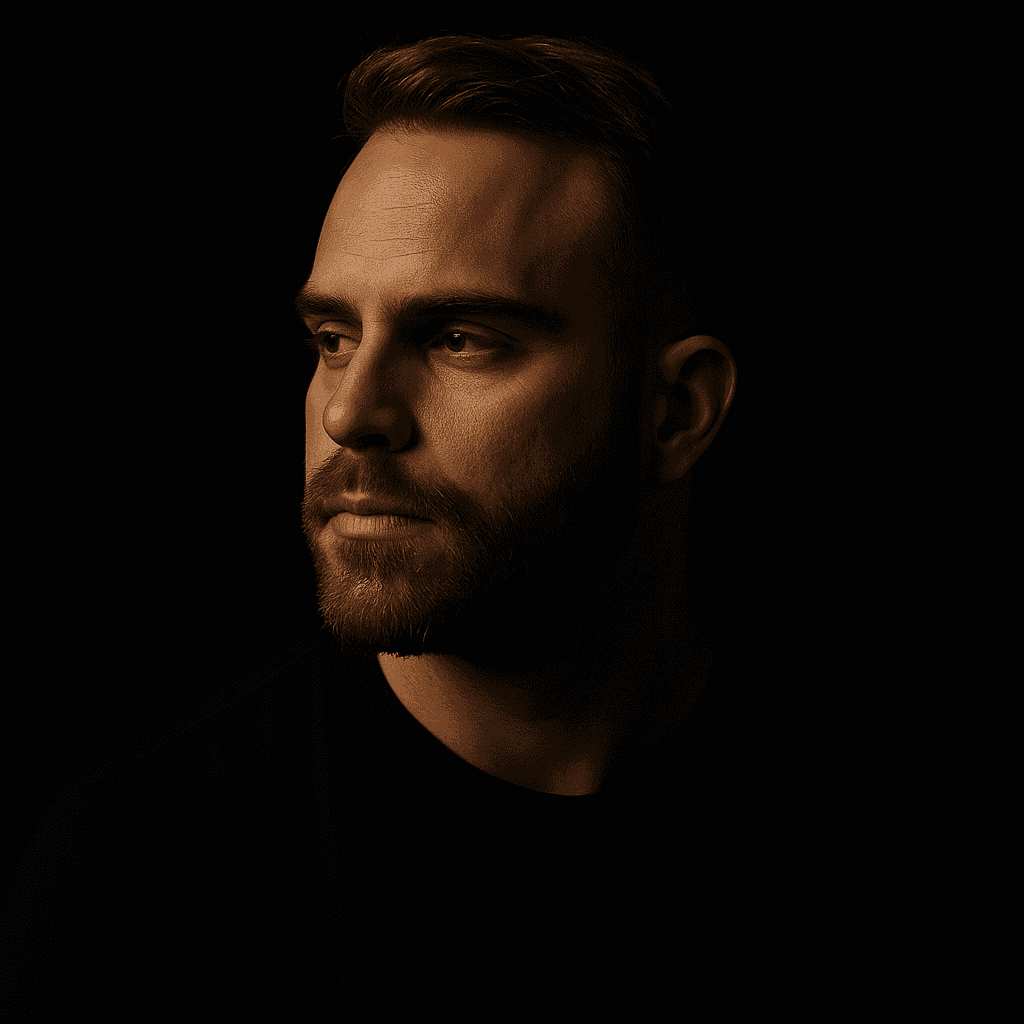
Words by
Isaac Dailey
Most companies don't have a marketing problem. They have an ownership problem. In an AI-accelerated world, growth no longer tolerates fragmentation—and that's why the role itself has to evolve.
For most of the last 20 years, "marketing leadership" meant managing channels.
SEO lived over here. Content lived over there. Paid media, sales enablement, lifecycle, brand—each with its own owner, metrics, and priorities.
That structure made sense when execution was slow and coordination was expensive.
That world no longer exists.
AI collapsed the cost of execution. What it didn't collapse is judgment.
And that's where modern growth breaks down.
The real problem: no one owns growth end-to-end
Most teams don't fail because they lack tactics.
They fail because:
no one owns positioning and conversion
no one connects traffic to revenue
no one sequences initiatives correctly
no one decides what actually matters now
Marketing teams execute. Sales teams close. Product teams build.
But growth happens between those functions.
When no one owns that middle layer, velocity stalls.
Why the traditional CMO role is breaking
The classic CMO was designed for:
channel orchestration
brand stewardship
campaign planning
departmental management
But modern growth isn't about managing people or channels.
It's about designing systems that:
create demand
convert trust
compound over time
adapt faster than competitors
In many companies, the CMO is either:
too high-level to touch reality
or too tactical to influence strategy
Both fail for the same reason:
They don't own the outcome.
AI changed the structure, not just the tools
AI didn't just make marketing faster.
It changed what one person can realistically own.
A single operator can now:
research markets
design positioning
generate content
test conversion paths
automate workflows
analyze performance
That means coordination is no longer the bottleneck.
Decision-making is.
The fastest companies don't have more people. They have fewer handoffs.
The shift: from functional leaders to outcome owners
This is why titles are starting to change:
Head of Marketing → Head of Growth
Demand Gen → Revenue Ops
CMO → Growth Owner / Revenue Architect
The new role isn't about managing a department.
It's about owning a result.
Not: "Run marketing."
But: "Build a system that reliably turns attention into revenue."
What a Growth Owner / Revenue Architect actually does
This role sits above tactics and below vision.
It exists to answer questions like:
Who is this actually for?
Why should they care?
How do they discover us now?
What do they need to believe to convert?
Where does friction kill momentum?
What compounds if we get it right?
Practically, that means owning:
positioning and messaging
acquisition strategy (organic + paid)
content and trust systems
conversion architecture
analytics that tie to revenue
sequencing of initiatives
Not forever.
But long enough to build the machine correctly.
Why this role is emerging now (and not earlier)
Historically, companies used hierarchy to solve coordination.
Org charts optimized for control, not speed.
But in 2026:
coordination is automated
execution is cheap
iteration is fast
The constraint is clarity.
Founders feel this before metrics show it:
growth "should" be working, but isn't
traffic increases, revenue doesn't
teams stay busy, momentum stalls
That's not a marketing failure.
That's an architecture failure.
Fractional is not a compromise—it's the model
Most companies don't need a full-time CMO early.
They need:
senior judgment
fast diagnosis
correct sequencing
systems built once, correctly
A fractional growth owner works because:
the leverage is in decisions, not hours
the value is front-loaded
the goal is durability, not dependency
Once the system exists, teams can run it.
Until then, adding headcount just adds noise.
What happens when this role is missing
Without a growth owner:
content drifts
SEO becomes mechanical
CRO becomes reactive
sales blames marketing
marketing blames traffic
leadership loses signal
Everyone is busy. No one is accountable.
The companies that win do this differently
They appoint someone—early—whose job is to:
see the whole system
simplify it
remove friction
and design for compounding speed
Not forever.
But at the moment when structure matters most.
The takeaway
Growth no longer fails because teams lack tools.
It fails because no one owns the system.
In an AI-accelerated world, the most valuable role isn't a channel expert or a campaign manager.
It's the person who can:
connect strategy to execution
connect attention to revenue
and design systems that move without constant intervention
That's the role emerging now.
Not because it's trendy—but because structure compounds faster than anything else.